


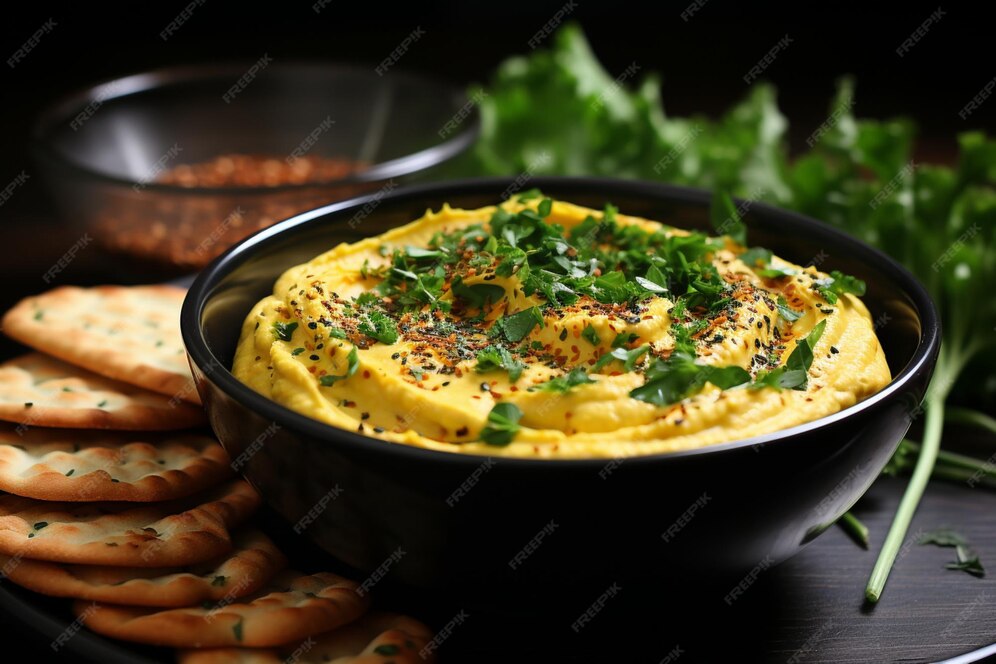
There are a plethora of ways to customize hummus but turmeric is one of my favourites. Its so easy to make I don’t know why anyone would stick with the shop bought options – it’s healthy, delicious and a go to whether its breakfast, a side dish or a post exercise pick me up…
Ingredients
- 1 tin chickpeas (drained) (400g)
- 3 tbsn extra virgin olive oil more to serve)
- 2 tbsp tahini
- 1 tspn apple cider vinegar
- 1 small lemon (juice) + zest of 1/2
- 1 garlic clove, chopped
- 1 tspn ground cumin
- 1 tspn ground corriander
- 2 inch piece fresh turmeric, chopped + 1 tsp ground turmeric (often I add a little more)
- 3/4 – 1 tspn paprikia
- ½ tspn chilli (you can use powder; flakes or a fresh chilli finely sliced – the amount depends on you!)
- 3-4 tbsp water
- Salt + cracked black pepper to taste
Its this easy :
Drain and rinse the chickpeas. Squeeze the lemon to collect the juice. Place all the ingredients into a food processor or nutribullet and blend until its smooth and creamy. It’ll keep happily in the fridge for 3-5 days but mine never lasts that long!
Why this easy snack is so good for your body…
TURMERIC – A golden powerhouse
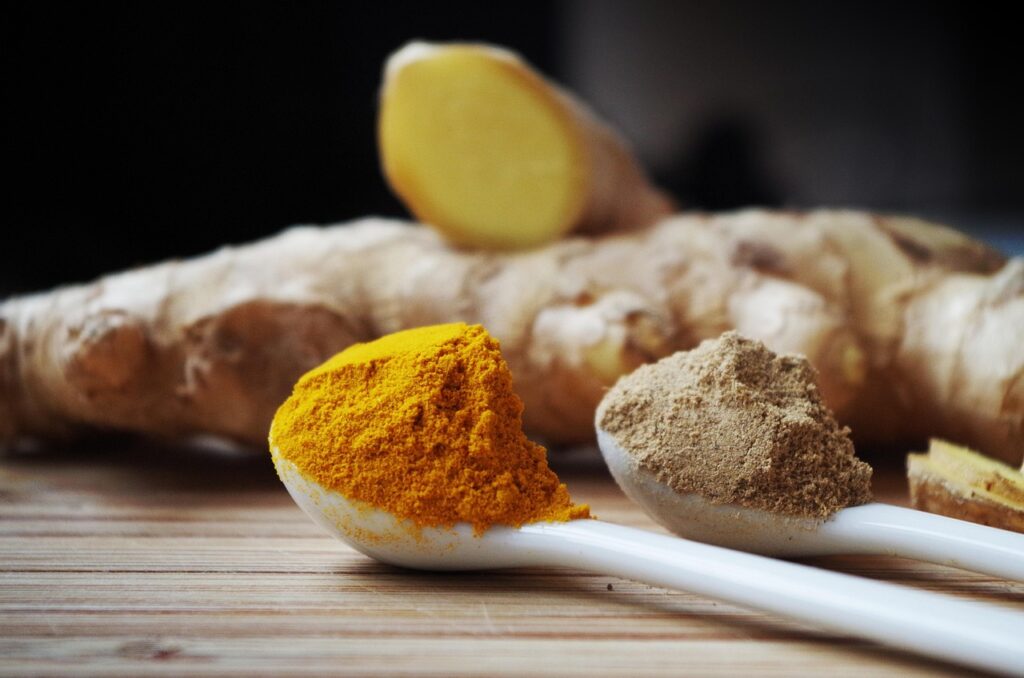
Turmeric is native to India and South East Asia and its deep, golden-orange root and has been used both in cooking and in ayurvedic and other forms of traditional medicine in China and India for thousands of years. With a peppery flavour that seems both warm and bitter it belongs to the Zingiberaceae family, which is more commonly known as the Ginger family.
The majority of turmeric’s amazing benefits come from curcumin which gives turmeric its rich yellow colour, but it also contains Manganese (a mineral that is essential for normal functioning of the brain, nervous system and many of your body’s enzyme systems), and iron (which is important in the making red blood cells, which carry oxygen around the body).
Curcumin is a polyphenol with anti-inflammatory properties and the ability to boost the amount of antioxidants your cells can make. https://pmc.ncbi.nlm.nih.gov/articles/PMC9738113/ , it helps to boost the immune system, acts as an anti-inflammatory
According to Mary-Eve Brown (RDN, CSO, LDN) ‘Anyone who’s trying to manage inflammation could benefit from adding some turmeric to their foods.” She cites inflammatory conditions such as arthritis and other joint disorders, colitis, allergies and infections.’ and there are some studies which support Turmerics value in this area. https://www.hopkinsmedicine.org/health/wellness-and-prevention/turmeric-benefits
Not only is this great for fighting diseases caused by inflammation, but by incorporating more anti-inflammatory foods into our diet our bodies can better recover from exercise. Making this turmeric hummus a great post-workout energy booster, as well as a really tasty treat. If you are looking for a great breakfast and aren’t vegan a good sourdough toast topped with this hummus and a poached egg is a great way to start the day!
BLACK PEPPER and its relationship with Turmeric
While most people think of black pepper as nothing but a seasoning it can benefit health as well. The curcumin in turmeric is poorly absorbed into the bloodstream, but adding black pepper to your hummus can help. Research supports that combining the piperine in black pepper with the curcumin in turmeric enhances curcumin absorption by up to 2,000% (2Trusted Source, 7Trusted Source, 8Trusted Source).
We all know OLIVE OIL is good for us…
Although the exact origin of olive oil is unknown, the olive tree is thought to have been domesticated in the Mediterranean basin about 6000 years ago – making it one of the oldest cultivated fruit trees in the world. We all know that a mediterranean diet has proved to be one of the most healthy in the world and one of the benefits of its main constituent – olive oil – is that it is very low in saturated fats. Up to 85% of the fats in olive oil are monosaturated fats or polyunsaturated as well as immune strengthening vitamin E and wound-healing helper vitamin K. In fact, virgin olive oil is said to have an anti-inflammatory action which is on a par with ibuprofen.
CHICKPEAS and their polyphenols
Chickpeas have numerous benefits, providing a cheap, plant-based source of protein, micronutrients and fibre, as well as slow-release carbs which support energy levels and blood sugar control. They contain anti-inflammatory polyphenols, are high in iron and can help lower both high cholesterol and blood pressure.
Don’t forget the TAHINI
Tahini, a nutrient-dense paste made from toasted ground sesame seeds, offers significant health benefits, including enhanced heart health, strong bone density, and potent anti-inflammatory effects. Rich in essential minerals (copper, magnesium, calcium) and healthy fats, it boosts immune function and brain health while being low in carbohydrates.
GINGER AND GARLIC – the perfect pairing
Just like onions and leeks, garlic belongs to the Allium family. Perhaps its most well-known compound is allicin. However, allicin is unstable and is only briefly present in fresh garlic after you cut or crush it. Other compounds that may play a role in garlic’s health benefits include diallyl disulfide and S-allyl cysteine. The sulphur compounds from garlic enter your body from the digestive tract, then travel all over your body, exerting strong biological effects but the more you cook it the more it loses its medicinal qualities.
Current research shows that garlic may have some real health benefits, such as protection against the common cold and the potential to help lower blood pressure and cholesterol levels as well as offering antibacterial, antiviral, and antifungal properties.
Delicious, versatile, and packed with health benefits. Fresh, dried or powdered, ginger is great for the brain, the body and in fighting disease. In order for the digestive system to work effectively it requires sufficient levels of nutrients and antioxidants. Ginger has both a high concentration of antioxidants and supplies various beneficial nutrients including calcium, magnesium, potassium and vitamin B-6. Ginger also enhances the absorption of vitamins and minerals, making it a quick remedy for nausea or indigestion
All in all this powerhouse little recipe is a great start to the day, a nutritious lunch or a brilliant pick me up after your workhouse – I do hope you enjoy it !
Thanks to Jo at Modern Food Stories for this great take on a healthy snack.

